
Before moving abroad, I genuinely believed I was prepared.
I’d traveled internationally.
Navigated foreign airports.
Managed jet lag.
Handled logistics with a baby.
So naturally, I assumed:
“Living abroad will feel like extended travel.”
What I didn’t realize is that culture shock doesn’t arrive in one dramatic moment.
It seeps in quietly…
usually somewhere between your third confusing grocery trip and your fifth attempt at explaining something with hand gestures.
Surprise #1: Nothing Is Hard — But Everything Is Harder
It’s not that tasks become impossible.
It’s that everything requires more:
• More thinking
• More translating
• More patience
• More mental energy
Simple things suddenly feel… layered.
✔ Opening a bank account
✔ Scheduling appointments
✔ Understanding forms
✔ Navigating services
Each step manageable.
All of it together?
Mentally draining in a way travel never quite is.
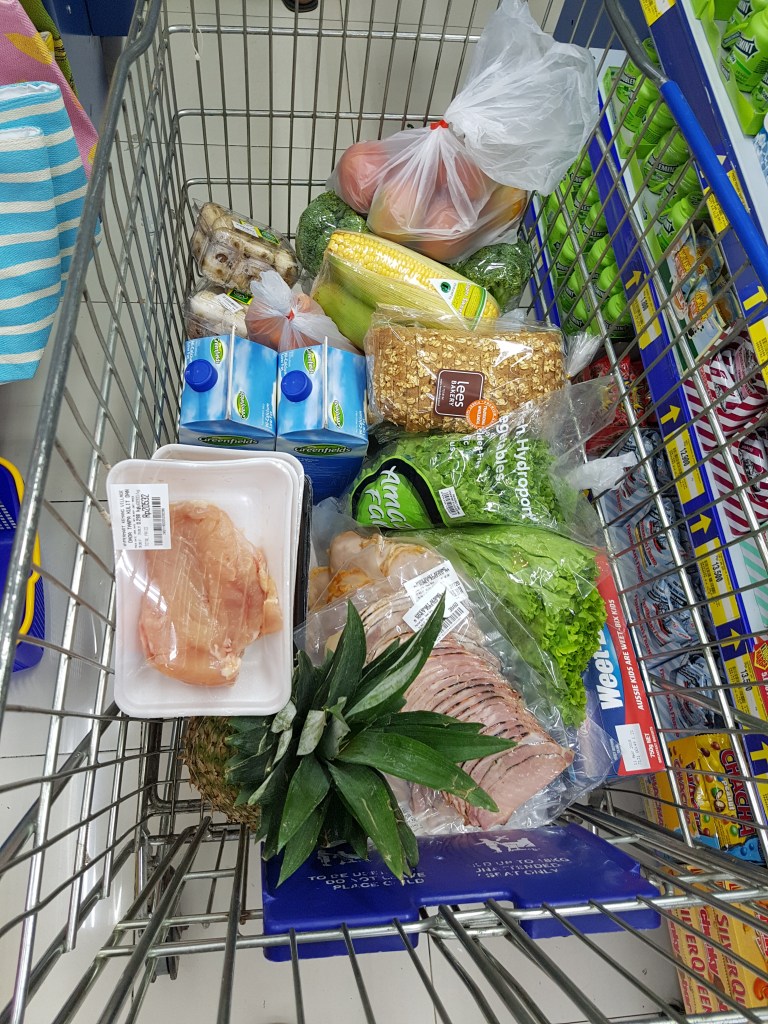
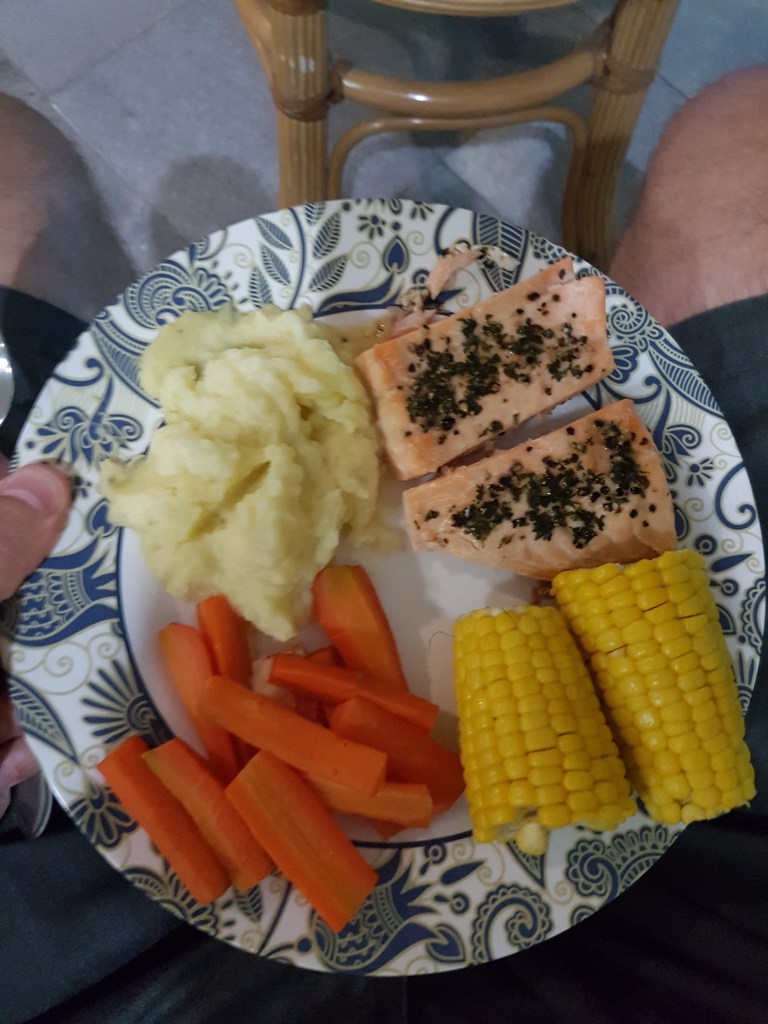
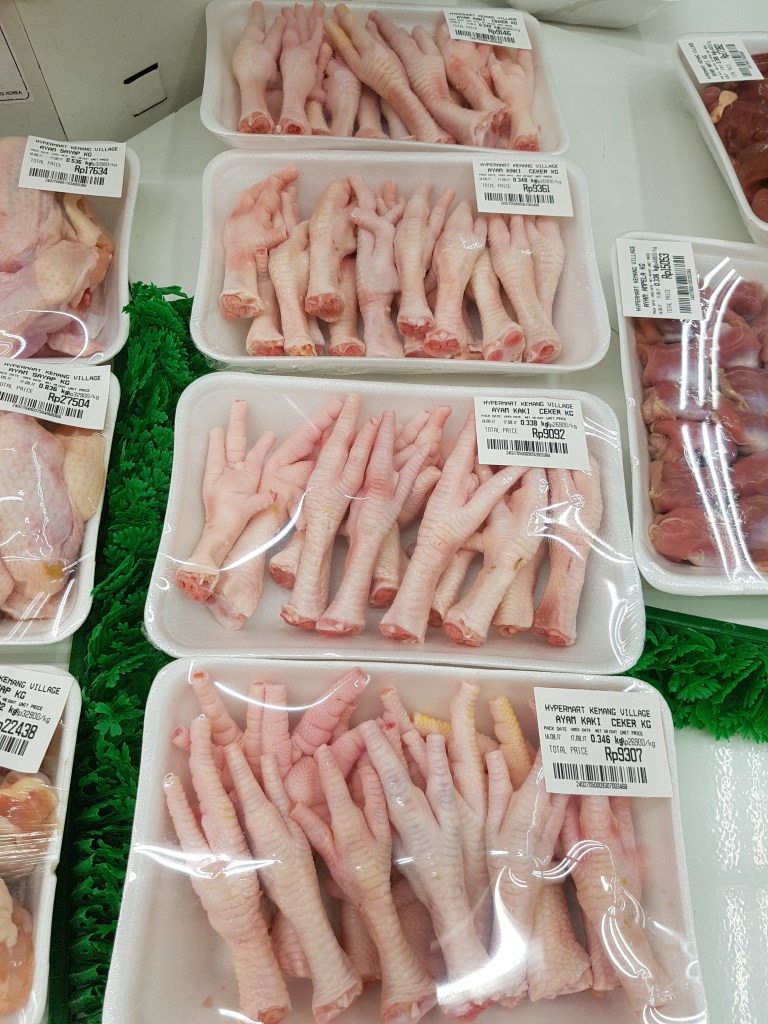
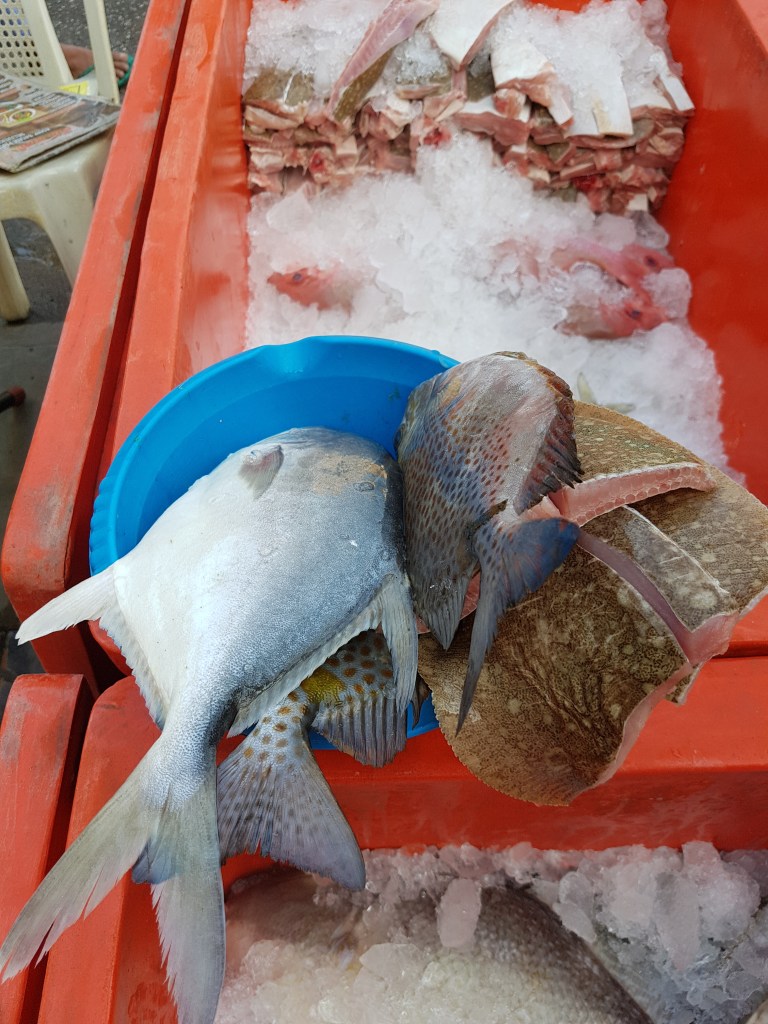
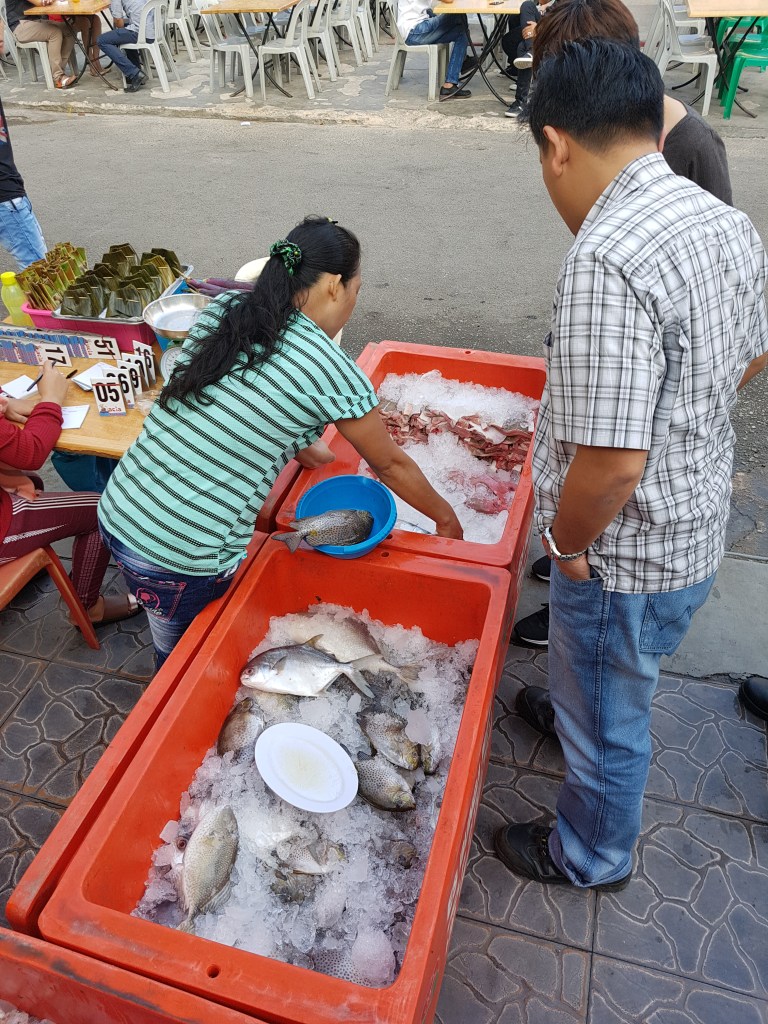
Surprise #2: Grocery Stores Become Emotional Battlegrounds
No one warned me that grocery stores would become my personal psychological endurance test.
I didn’t walk in looking for exotic discoveries.
I walked in with one primary mission:
Find pasta and/or chicken!
Not because pasta was rare.
Not because I couldn’t cook other things.
But because pasta became my comfort anchor.
My edible piece of normalcy.
When everything around you is unfamiliar-language, packaging, brands, layout, your brain desperately clings to something that says:
“I recognize this. I know this. This is safe.”
Some people seek chocolate.
I sought carbohydrates.
Surprise #3: Mental Fatigue Is the Real Villain
Even on good days, your brain is constantly processing:
• Currency conversions
• Language translation
• Social norms
• Navigation
• Cultural nuances
• “Am I doing this right?”
It’s like running a marathon made entirely of tiny decisions.
By evening, you’re not tired from activity.
You’re tired from thinking.

Surprise #4: Language Barriers Are Humbling
Even basic communication can feel oddly high-stakes.
Suddenly you’re overthinking sentences like:
“Where is the bathroom?”
To cope, I became that person.
✔ I made charts
✔ I wrote cheat sheets
✔ I taped phrase guides to my front door
✔ I carried a tiny pocket notebook
Because sometimes your brain simply refuses to retrieve vocabulary when you’re standing face-to-face with another human.
My notebook became my security blanket.
Filled with:
• Essential phrases
• Polite responses
• Emergency explanations
• Words I absolutely did not trust myself to remember under pressure
Was it glamorous?
No.
Was it effective?
Also… surprisingly yes.
Surprise #5: Kids Adapt — But With Standards (Or Not)
Children are wildly resilient.
But also famously selective.
They’ll adjust to:
✔ New country
✔ New environment
✔ Different routines
Yet many draw a dramatic emotional boundary at:
❌ Different milk
❌ Bread “tasting weird”
❌ Yogurt inconsistencies
❌ Anything that isn’t shaped exactly like home
Except… apparently my kids are not normal.
Because while I braced myself for picky-eater battles abroad…
Mine happily ate everything.
Case in point:
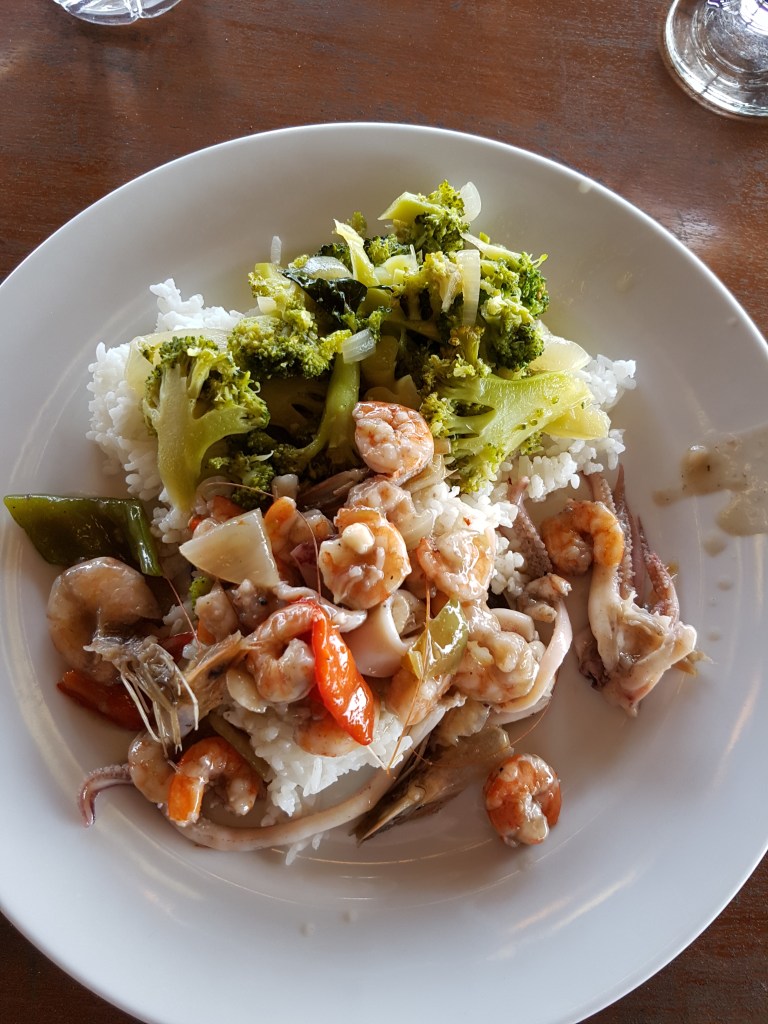
While we were living in Indonesia, our nanny was feeding my then-9-month-old spicy food.
Actual spicy food 🌶️
Naturally, I had a minor internal meltdown.
Me:
“Oh no no no, that’s too spicy!”
Her (calm, completely unfazed):
“No miss, she loves it.”
And reader…
My daughter absolutely did.
Not a tear.
Not a complaint.
Just a tiny human enthusiastically devouring flavors I wasn’t emotionally prepared for.
To this day, my daughter still loves spicy food.
Which was honestly eye-opening.
Just because my gut can’t tolerate spice…Doesn’t mean hers can’t.
Kids are their own people — with their own tastes, preferences, and surprisingly adventurous palates.
For Parents of Fussy Eaters (I See You 💛)
If your child is more in the:
“I only eat beige foods” club…
Bringing familiar comfort snacks from home in the beginning can be a huge adjustment lifesaver.
Not forever.
Not as a crutch.
Just as a soft landing during a big transition.
Because culture shock hits kids too, sometimes through their taste buds first.
Surprise #6: The Funny, Humbling Moments
Living abroad guarantees ego-check experiences.
Like:
• Confidently mispronouncing something
• Smiling through total confusion
• Nodding along while internally screaming
• Realizing you accidentally agreed to something you didn’t fully understand
And honestly?
These moments become some of the best stories.
Eventually.
After the mild embarrassment fades.
Surprise #7: The Emotional Undercurrent
Culture shock isn’t just logistical.
It’s emotional.
Even when you love where you are.
Even when you’re grateful.
Even when you know this experience is extraordinary.
You can still feel:
• Disoriented
• Overstimulated
• Homesick
• Mentally stretched
Two things can coexist:
“This is amazing.”
“This is a lot.”
Both are normal.
Both are valid.
What Actually Helped Me Adjust
Not perfection.
Not instant confidence.
Just small, stabilizing anchors:
✔ Familiar routines
✔ Comfort foods (hello, pasta 🍝)
✔ Grace for myself
✔ Humor
✔ Lowered expectations
✔ My phrase notebook
✔ Tiny pieces of “home”
Because adaptation isn’t a switch.
It’s a slow recalibration.
If You’re Considering Living Abroad
Here’s the truth no glossy Instagram reel fully captures:
✔ Culture shock is real
✔ It’s normal
✔ It doesn’t mean you regret your decision
✔ It comes in waves
✔ It gets easier
✔ It’s often hilarious in hindsight
And sometimes…
Your biggest victory of the day is simply finding pasta in a foreign grocery store.
Which honestly deserves a medal

Little Things That Helped During Culture Shock
Some items that unexpectedly became sanity-savers:
• Pocket notebook / travel journal
• Travel backpack (now everyday survival bag)
• Kids’ familiar snacks
• Comfort toiletries
• Small toys / distractions
• Organizers & pouches
• Anything that created familiarity in unfamiliar surroundings
 Kilometers with Kids
Leave a comment